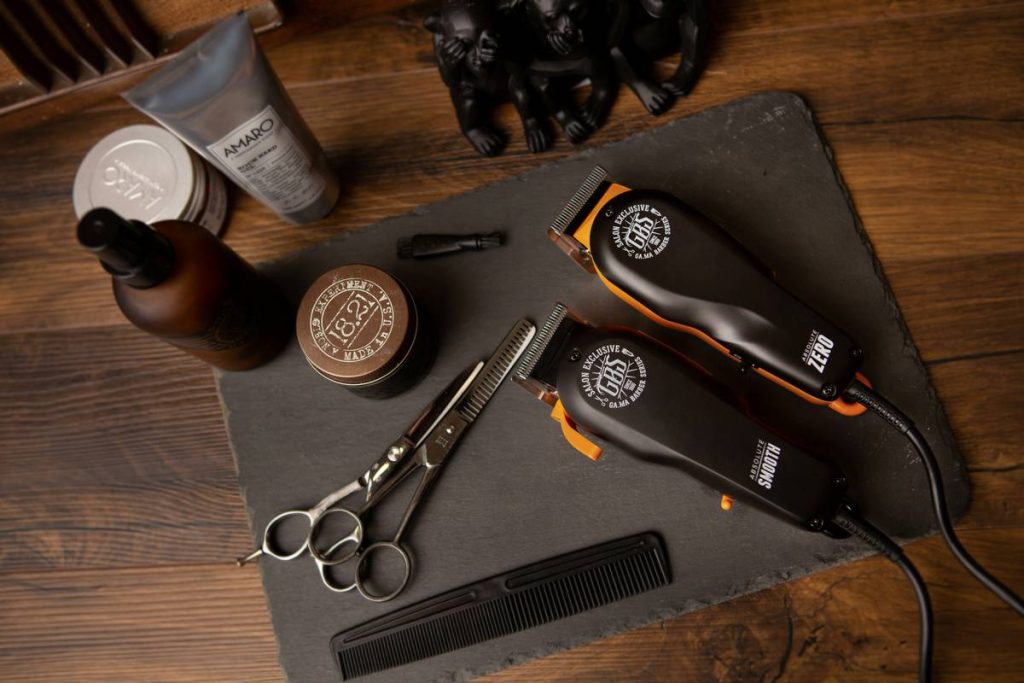
Matted fur isn’t just ugly—it’s painful. Left untreated, those knots dig into your pet’s skin, causing hot spots, infection, and stress. Most owners reach for scissors or cheap combs, only to make it worse. The real fix? A purpose-built mat splitter blade that slices through tangles without nicking delicate skin.
Why Scissors and Combs Aren’t Enough
Scissors tear. Metal combs bend. And both risk cutting live tissue when mats are tight against the body. Groomers know this—but many still default to brute force because they don’t understand blade geometry. Here’s the reality: not all blades cut mats. Some just shred them into tighter knots.
And if you’ve ever seen your dog flinch during brushing, that’s not “just being dramatic.” That’s pain from micro-tears caused by dull or improperly angled tools.
How to Choose and Use the Right mat splitter blade
Blade Material Matters More Than You Think
Stainless steel resists rust—but cheap variants warp under pressure. Look for high-carbon stainless with a Rockwell hardness of 56–58. It stays sharp longer and glides instead of sawing.
Angled vs. Straight Edges: The Real Difference
Straight blades work on surface mats. Angled blades—usually set at 15°—slide under dense undercoat mats like a surgeon’s scalpel. They lift then slice, minimizing skin contact.
Technique Over Tool (But Only If the Tool Is Right)
Hold the blade parallel to the skin. Never press down. Let the edge do the work. Start at the mat’s edge and work inward in short strokes. Patience beats power every time.

| Tool Type | Cutting Efficiency | Skin Safety | Durability | Avg. Cost |
|---|---|---|---|---|
| Standard Scissors | Low | Poor | Medium | $8–$15 |
| Metal Comb | Very Low | Fair | High | $6–$12 |
| mat splitter blade (angled, high-carbon) | High | Excellent | Very High | $22–$40 |
| Rake-Style Dematter | Medium | Risky | Medium | $15–$25 |

The Industry Secret: Blade Maintenance Is Everything
Most groomers replace split blades every 3–4 months. But here’s what salons won’t tell you: you can extend life by 70% with a $5 ceramic honing rod. Lightly stroke the edge after each use—3 passes per side. No oil, no soaking. Just maintenance. A sharp mat splitter blade should never require downward pressure. If it does, it’s blunt—not your fault, just physics.
Think about it: would you shave with a week-old razor? Your dog deserves the same standard.
Frequently Asked Questions
Can I use a human hair-splitting blade on pets?
No. Human blades lack the curvature and safety bevel needed for animal coats and sensitive skin. Always use pet-specific tools.
How often should I replace my mat splitter blade?
Every 3–4 months with regular use—or immediately if you feel resistance during cutting. Dull blades cause more harm than good.
Are curved mat splitter blades better?
For large dogs with thick undercoats, yes. The curve follows body contours. For cats or small breeds, straight blades offer more control.