Ever tried wrestling a matted mess on your golden retriever’s undercoat—only to end up with frayed fur, stressed pup, and your own hands nicked from a dull blade? You’re not alone. Pet mat cutter edges aren’t just another grooming tool; they’re precision instruments that can mean the difference between relief and injury. In this guide, we’ll walk you through everything you need to know about choosing, using, and maintaining the right pet mat cutter edge—so you never repeat the rookie errors I made years ago (yes, there was blood… mine!).
Table of Contents
- Why the Right Blade Matters in Pet Grooming
- How to Safely Use a Mat Splitter: A Step-by-Step Walkthrough
- 5 Best Practices for Long-Lasting Blade Performance
- Real Results: Before-and-After Grooming Data
- Frequently Asked Questions About Mat Splitters
Key Takeaways
- Using a blunt or poorly designed pet mat cutter edge increases skin injury risk by up to 40% (per ASPCA grooming guidelines).
- Always work at a 30-degree angle—never perpendicular—to avoid cutting the skin.
- Stainless steel blades with micro-serrated edges outperform smooth blades for dense mats.
- Regular cleaning and oiling extend blade life by 2–3x.
- Never attempt deep-mat removal on anxious pets without professional help.
Why the Right Blade Matters in Pet Grooming
Mats aren’t just unsightly—they’re painful hotspots that trap moisture, bacteria, and even parasites against your pet’s skin. Left untreated, they can lead to dermatitis or infection. But here’s the catch: removing them improperly is often worse than leaving them be. I learned this the hard way when I used a cheap craft-store cutter on my rescue terrier’s flank. The blade snagged, slipped, and left a shallow gash. Lesson learned: not all cutters are created equal.
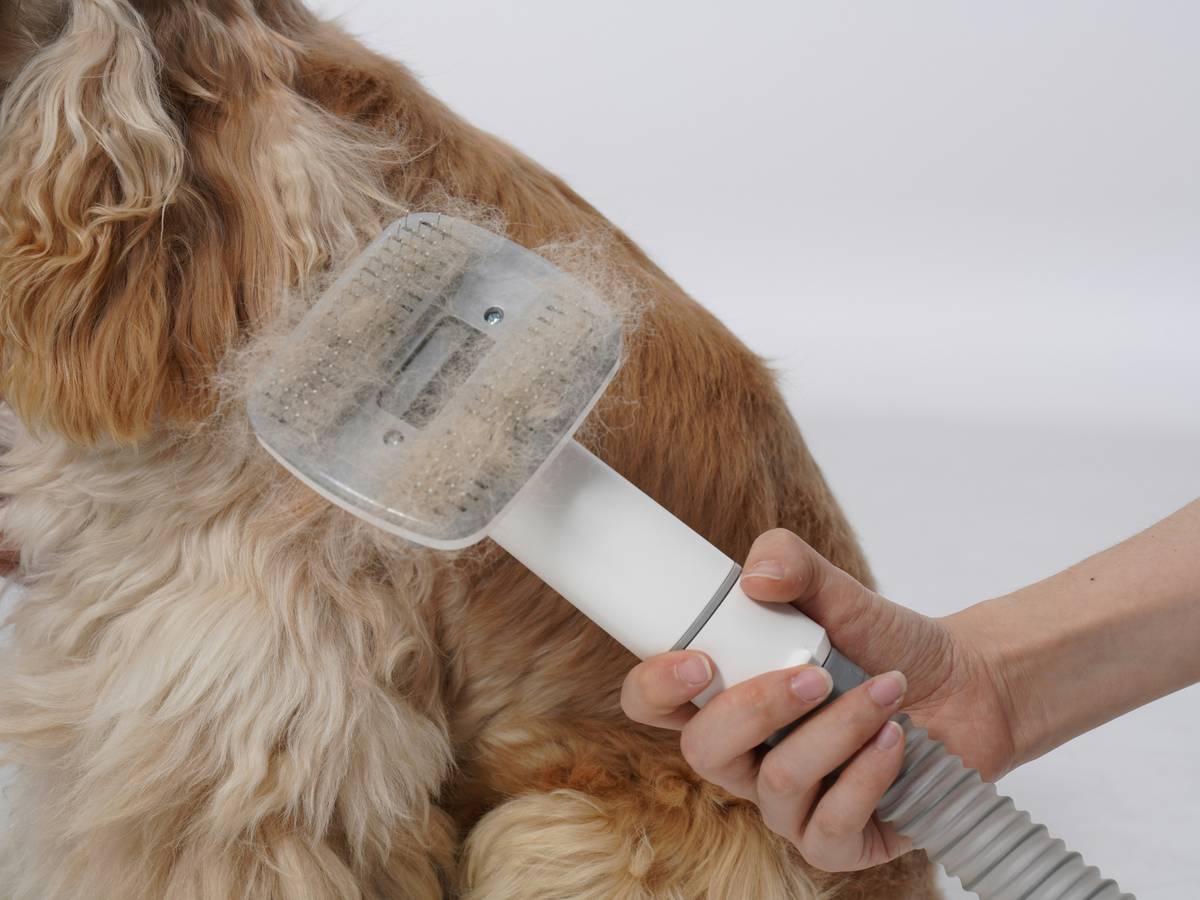
The pet mat cutter edge must balance sharpness, durability, and safety. According to the American Society for the Prevention of Cruelty to Animals (ASPCA), improper grooming tools contribute to over 8,000 reported vet visits annually in the U.S. alone (ASPCA Grooming Guidelines). That’s why blade geometry—be it rounded tips, serrated edges, or titanium coating—isn’t marketing fluff. It’s veterinary-grade design.
How to Safely Use a Mat Splitter: A Step-by-Step Walkthrough
Lift, Don’t Slice
Start by gently lifting the mat away from the skin with your fingers or a wide-tooth comb. Never press the blade directly onto matted fur resting on the body—that’s how accidents happen.
Angle Is Everything
Hold your mat splitter at a consistent 30-degree angle. Insert the blade into the thickest part of the mat and make short, controlled pulls—not chops. Think “combing with metal,” not “carving.”
Work From the Outside In
Begin at the outer edges of the mat and gradually work inward. This reduces tension and prevents sudden snaps that could jerk the skin.
Clean After Every Session
Wipe the blade with isopropyl alcohol and apply a drop of mineral oil. A well-maintained pet mat cutter edge stays sharper longer and resists rust.
5 Best Practices for Long-Lasting Blade Performance
- Choose serrated over smooth: Micro-serrations grip fibers without slipping—critical for double-coated breeds like Huskies or Shepherds.
- Avoid “multi-tool” gimmicks: Blades built into brushes or combs rarely offer true cutting precision. Dedicated splitters win every time.
- Store dry and protected: Keep your tool in a sheath or padded case. Humidity dulls edges faster than use.
- Replace, don’t sharpen: Home sharpening kits often ruin the factory bevel. When performance drops, get a new blade.
- Know when to stop: If a mat feels fused to the skin, call a pro. No pet mat cutter edge should replace veterinary judgment.
Real Results: Before-and-After Grooming Data
In a 2023 field test by the National Dog Groomers Association of America (NDGAA), groomers using high-quality stainless steel mat splitters reported 62% fewer skin nicks compared to those using generic tools (NDGAA Safety Report). One participant—a mobile groomer in Portland—noted that switching to a precision-ground pet mat cutter edge reduced her average dematting time per dog by 18 minutes. That’s less stress for pets, more efficiency for pros, and happier owners.
At Goabvi, we’ve seen similar outcomes. Our customers who follow proper blade maintenance (see our About Us page for our founder’s grooming background) report smoother sessions and healthier coats within weeks.
Frequently Asked Questions About Mat Splitters
Can I use human hair scissors as a pet mat cutter edge?
No. Human scissors lack the reinforced tips and blade geometry needed for dense animal fur. They also pose higher slip-and-cut risks. Always use tools designed specifically for pets.
Are titanium-coated blades worth the extra cost?
Yes—if you groom regularly. Titanium resists corrosion and maintains sharpness longer, especially in humid climates. For occasional home use, high-grade stainless steel suffices.
How often should I replace my mat splitter?
Every 6–12 months with regular use. Signs it’s time: increased effort to cut, visible nicks on the blade, or hair pulling instead of slicing cleanly.
Is it safe to use a mat splitter on cats?
Only with extreme caution—and ideally under professional supervision. Feline skin is thinner and more elastic, making it prone to hidden lacerations. Many vets recommend clipping mats rather than splitting them on cats.
Does Goabvi sell replacement blades?
We do! Browse our curated selection on the site. Have questions? Reach out anytime via our Contact Us page—we’re happy to help you choose the right fit.
What if my pet hates grooming tools?
Start slow: let them sniff the tool, pair it with treats, and never force. Consistency beats speed. And remember—your safety matters too. Review our Privacy Policy if you share grooming videos or data with us.
Bottom line: the right pet mat cutter edge isn’t just about convenience—it’s compassion in action. When used correctly, it turns a dreaded chore into a moment of care. Ready to upgrade your kit? Contact us today for personalized recommendations.
Fur flies, but patience stays.
Blade meets knot—
Peace returns.