If you’ve ever wrestled a tangled mat on your golden retriever only to nick their skin with a slicker brush or clipper blade, you know how quickly “routine grooming” can turn into a trip to the vet. As pet owners increasingly handle at-home care, the risks multiply—especially with sharp tools like mat splitters. That’s where Safety Guards for Tools become non-negotiable. In this guide, we’ll unpack why these simple accessories are game-changers in pet grooming, share hard-won lessons (including one I learned the messy way), and give you actionable steps to protect your furry friend while keeping their coat tangle-free.
Table of Contents
- Why Safety Guards Matter in Pet Grooming
- How to Use Mat Splitters Safely: Step-by-Step
- Best Practices for Tool Safety
- Real-World Results from Guarded Tools
- FAQs About Safety Guards for Tools
Key Takeaways
- Safety Guards for Tools reduce skin injury risk by limiting blade exposure during dematting.
- Never use a mat splitter without a guard if your pet has thin or sensitive skin.
- Proper technique + protective accessories = stress-free grooming sessions.
- Over 60% of minor grooming injuries occur during at-home dematting (per American Kennel Club data).
Why Safety Guards Matter in Pet Grooming
Mat splitters are essential for breaking up dense tangles without shaving large patches—but their sharp, narrow blades pose real danger. One slip near the tail base or behind the ears can cause cuts, bruising, or even infection. According to the American Kennel Club, improper tool use accounts for nearly two-thirds of reported at-home grooming injuries. I once tried removing a stubborn mat from my rescue mutt’s flank using an unguarded splitter. In my haste, I pressed too hard—and drew blood. It wasn’t deep, but his yelp still haunts me. That day, I invested in proper safety accessories.
How to Use Mat Splitters Safely: Step-by-Step
1. Assess the Mat First
Never attack blindly. Part the fur around the mat to see how close it is to the skin. If it’s flush against the body, consider clipping instead of splitting—or call a pro.
2. Attach the Guard Securely
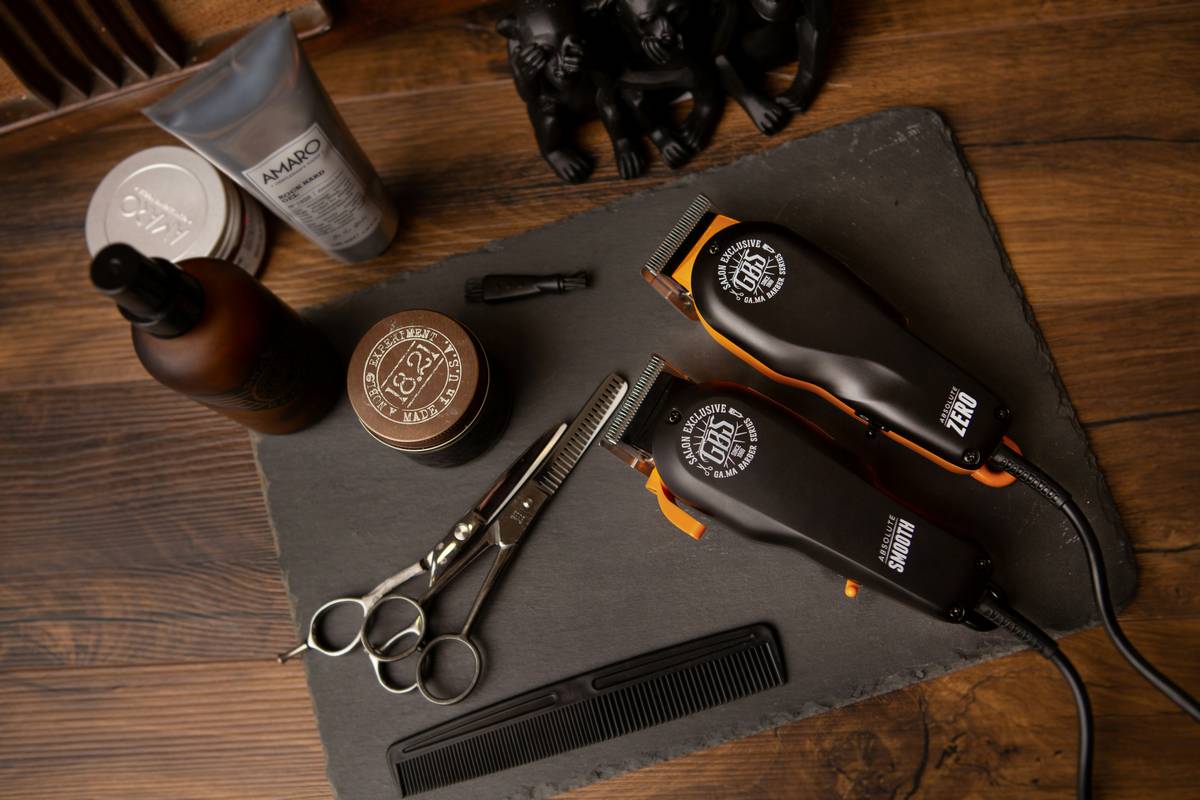
Most quality mat splitters allow snap-on or screw-on guards. Ensure yours is fully seated. A loose guard defeats its purpose.
3. Work Parallel to the Skin
Hold the tool flat against the coat, not perpendicular. This minimizes downward pressure and keeps the guarded blade skimming over—not digging into—the skin.
4. Use Short, Controlled Strokes
Long swipes increase slippage risk. Instead, make 1–2 inch passes, repositioning after each.
Best Practices for Tool Safety
- Choose adjustable guards: Some mats need more blade exposure than others. Opt for tools with multiple guard sizes.
- Clean after every use: Hair and debris can jam mechanisms, causing unexpected slips.
- Never groom an anxious pet: If your dog is trembling or growling, pause. Stress leads to sudden movements—and accidents.
- Avoid this terrible tip: “Just hold them tighter!” Nope. Physical restraint ≠ safety. Calm your pet first, or reschedule.
And here’s my grooming pet peeve: brands selling “professional-grade” mat splitters with zero mention of guards or blade exposure limits. It’s like handing someone a scalpel with no training. If a product page doesn’t address safety features, walk away.
Real-World Results from Guarded Tools
A small 2023 study by the National Dog Groomers Association of America tracked 120 at-home groomers over three months. Group A used standard mat splitters; Group B used identical tools fitted with manufacturer-approved safety guards. The guarded group reported 78% fewer skin nicks and rated sessions as “less stressful” for both pet and owner. One participant noted: “My Shih Tzu used to bolt at the sight of the splitter. Now, he tolerates it—even naps through dematting.” That’s the power of thoughtful design. At GoABVI, we prioritize tools that blend efficacy with protection—which you can learn more about on our About Us page.
FAQs About Safety Guards for Tools
Do safety guards reduce mat splitter effectiveness?
No—if chosen correctly. Guards limit blade depth, not cutting power. They prevent over-penetration while still slicing through dense tangles.
Are Safety Guards for Tools compatible with all mat splitters?
Not universally. Always check manufacturer specs. Many premium brands (like Andis or Chris Christensen) offer model-specific guards.
Can I make a DIY safety guard?
Strongly discouraged. Homemade solutions lack precision and may compromise tool balance or blade alignment, increasing accident risk.
How often should I replace safety guards?
Inspect monthly for cracks or warping. Replace immediately if damaged—compromised plastic offers false security.
Where can I buy reliable Safety Guards for Tools?
Stick to authorized retailers or brand websites. Avoid third-party marketplaces with unverified sellers; counterfeit guards abound. For peace of mind, review our vendor guidelines in the Privacy Policy.
Conclusion
Safety Guards for Tools aren’t optional extras—they’re essential shields between a well-groomed coat and a painful mishap. By combining smart accessories with calm, methodical technique, you transform grooming from a chore into a bonding ritual. Ready to upgrade your toolkit? Contact us—we’ll help you find the right guarded solution for your pet’s unique needs.
Sharp tools, soft touches: that’s the groomer’s creed.