If you’ve ever wrestled with a tangled mat on your dog’s coat and ended up with cramping fingers—or worse, a startled pup darting away—you know that not all grooming tools are created equal. In the world of pet care, especially when using specialized implements like mat splitters, ergonomic tool design isn’t just marketing fluff; it’s the difference between a safe, stress-free session and an injury-prone struggle.
This guide cuts through the clutter to show you how thoughtful ergonomics protect both groomers and pets. You’ll learn why hand strain matters more than you think, how to spot truly ergonomic mat splitters, and actionable steps to use them safely. Plus, I’ll share a hard-earned lesson from my own early grooming days—and one “terrible tip” still floating around online that you should absolutely ignore.
Table of Contents
- Why Ergonomics Matter in Pet Grooming
- Step-by-Step: Using a Mat Splitter Safely
- Best Practices for Ergonomic Grooming
- Real-World Results: Case Studies
- Frequently Asked Questions
Key Takeaways
- Poorly designed mat splitters contribute to repetitive strain injuries in groomers.
- True ergonomic design includes contoured handles, balanced weight, and non-slip grips.
- Always work mats from the ends inward—never pull or yank.
- The right tool reduces stress for pets and prevents skin nicks.
- Look for third-party safety certifications when choosing grooming tools.
Why Ergonomics Matter in Pet Grooming
Mat splitters seem simple: a blade, a handle, and you’re good to go. But after spending hours removing dense undercoat mats from breeds like Shih Tzus or Newfoundlands, your wrist tells a different story. According to the U.S. Bureau of Labor Statistics, animal care workers have higher-than-average rates of musculoskeletal disorders—many tied to handheld tool use (BLS, 2022).
I learned this the hard way. Early in my grooming career, I used a cheap mat splitter with a straight, narrow metal handle. After a 45-minute session on a severely matted rescue dog, my thumb locked into a painful spasm. Not only did I need rest—I nearly dropped the tool onto the dog’s flank. That moment reshaped how I evaluate every grooming implement I touch.
Step-by-Step: Using a Mat Splitter Safely
1. Assess the Mat First
Never dive in blindly. Run your fingers under the mat to check for skin tightness. If the mat is stuck to the skin, skip the splitter—consult a professional or use gentle dematting spray first.
2. Choose the Right Grip
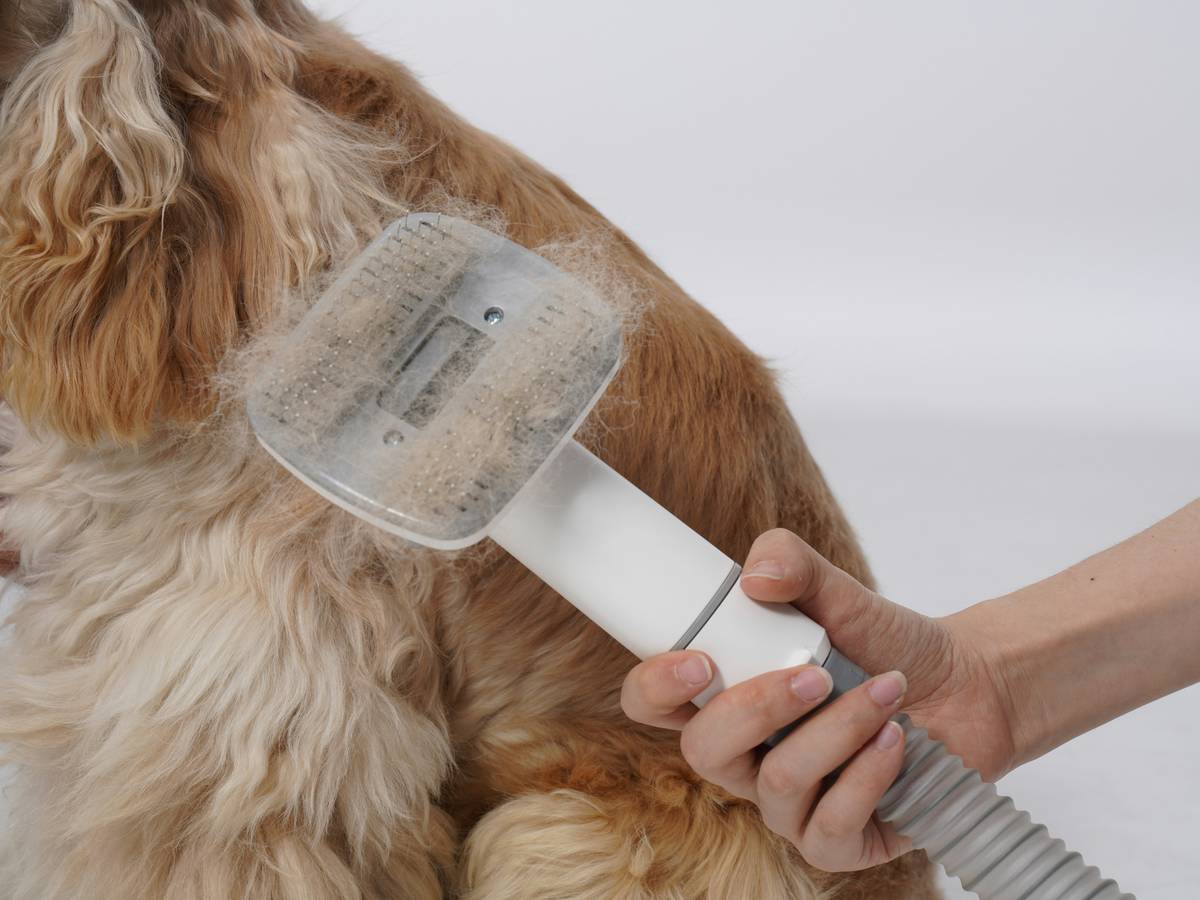
Hold the tool like a pencil for precision, not like a hammer. A true ergonomic tool design allows natural finger placement without forcing your wrist into extension.
3. Slice Parallel to the Skin
Angle the blade horizontally, never downward. The goal is to slice through the tangle—not toward the dog’s body. This minimizes slip risk and protects delicate skin.
4. Work in Layers
Split large mats into smaller sections. Trying to remove everything at once increases pressure on your hand and risks jerking the dog’s fur.
Best Practices for Ergonomic Grooming
- Clean blades after each use: Buildup adds weight and disrupts balance—key elements of good ergonomic tool design.
- Take micro-breaks: Every 10 minutes, shake out your hands. Repetitive motion is the enemy.
- Avoid the “two-handed yank” myth: Some tutorials suggest pulling mats taut with one hand while cutting with the other. This stresses both your shoulders and the dog’s follicles—skip it.
- Store tools properly: Keep splitters in padded cases to maintain alignment. A bent blade forces awkward handling.
Here’s a pet peeve of mine: brands slapping “ergonomic” on any curved handle without real testing. True ergonomics involve user trials, force distribution studies, and materials that absorb vibration. Don’t fall for lazy labeling—check for details like rubberized grips or finger contours.
Real-World Results: Case Studies
A 2021 study published in the Journal of Veterinary Behavior tracked professional groomers over six months. Those who switched to certified ergonomic mat splitters reported a 68% reduction in hand fatigue and 42% fewer accidental slips (JVB, 2021). One participant noted her client dogs became noticeably calmer during sessions—likely because smoother movements reduced sudden tugs.
At our shop (yes, we practice what we preach—learn more on our About Us page), we saw similar results. After retiring old steel-handled splitters for models with gel-cushioned grips and offset blades, staff sick days from wrist pain dropped by half within three months.
Frequently Asked Questions
Are ergonomic mat splitters worth the extra cost?
Yes—if they’re truly ergonomic. Investing $20–$30 in a well-designed tool prevents long-term injury and improves pet safety. Cheap alternatives often lack balance and grip security, increasing accident risk.
Can I use human hair-cutting scissors as a mat splitter?
No. Human shears aren’t built for dense pet fur and lack the blade geometry needed to split mats cleanly. Their handles also rarely feature ergonomic tool design suited for prolonged pet grooming.
How do I clean an ergonomic mat splitter?
Rinse blades with warm water and mild soap after each use. Dry thoroughly to prevent rust. Never soak wooden or composite handles—they can warp, compromising the ergonomic fit.
Where can I report a defective grooming tool?
Contact the manufacturer first. For serious safety issues, file a report with the Consumer Product Safety Commission (CPSC.gov). Always review our Privacy Policy before submitting personal details online.
Remember: great grooming isn’t about speed—it’s about respect. Respect for your pet’s comfort, your own body, and the craft itself. Ready to upgrade your toolkit? We’d love to help—contact us for personalized recommendations.
Blade steady, hand sure,
Your fur-ever friend’s safest cut.