If you’ve ever watched your dog wince as you tried to brush out a stubborn knot, you know how quickly a minor grooming oversight can turn into a full-blown crisis. Mats aren’t just unsightly—they’re uncomfortable, sometimes even painful for your pet. And while many owners rush to buy fancy detanglers or overpriced brushes, the real secret lies in consistent mat prevention fur tip strategies that stop tangles before they start. In this guide, we’ll walk you through actionable, vet-backed methods to keep your pet’s coat smooth, healthy, and mat-free—all without breaking the bank.
Table of Contents
- Why Mats Happen (And Why Prevention Beats Cure)
- Step-by-Step Mat Prevention Routine
- Best Practices from Professional Groomers
- Real Results: Case Studies That Work
- Frequently Asked Questions
Key Takeaways
- Early and frequent brushing is the #1 defense against mats.
- Not all brushes work equally—slicker brushes are essential for double-coated breeds.
- Humidity, shedding season, and lack of bathing significantly increase mat risk.
- A consistent mat prevention fur tip routine reduces stress for both pets and owners.
- Professional grooming every 4–8 weeks complements at-home care.
Why Mats Happen (And Why Prevention Beats Cure)
Mats form when loose hairs twist around live ones, tightening over time—especially behind ears, under legs, and around collars. Once formed, they pull on the skin, trap moisture, and can lead to hot spots or infections. According to the American Kennel Club, matted coats are among the top reasons dogs show discomfort during grooming sessions.
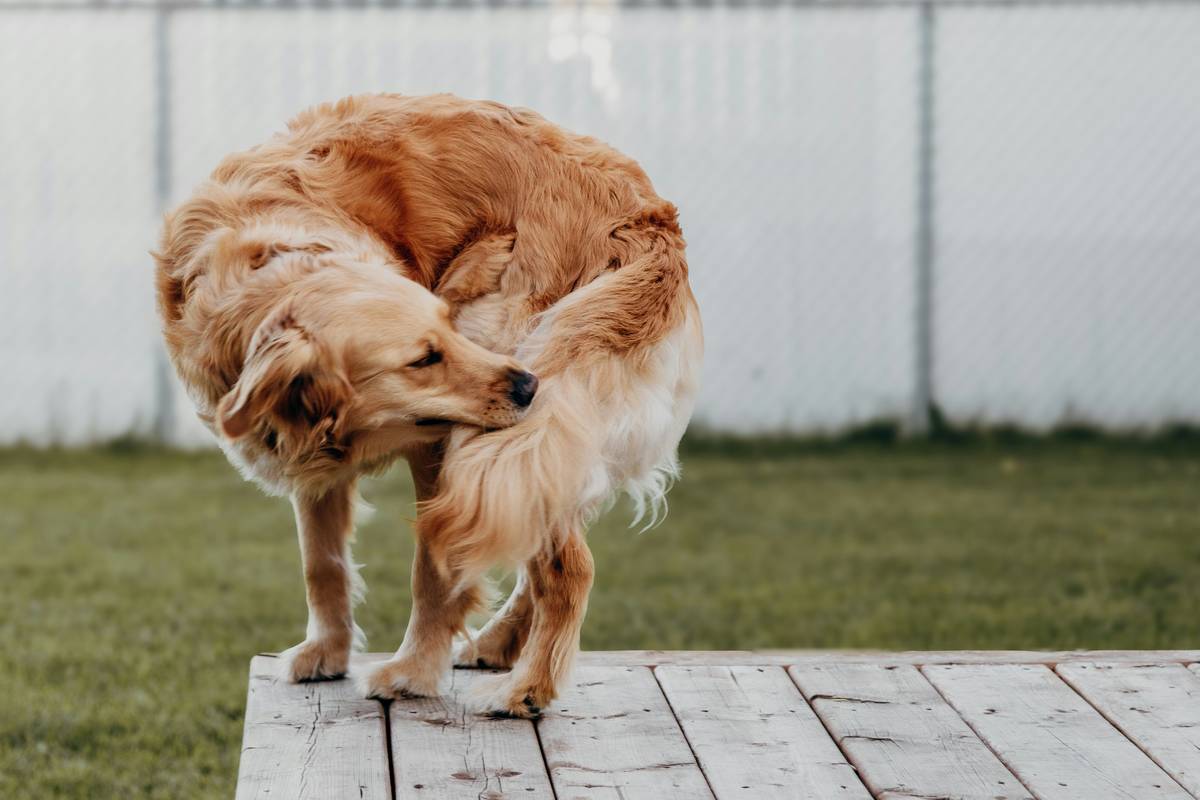
I learned this the hard way with my rescue Shih Tzu, Luna. One lazy week (okay, two), I skipped brushing, thinking her short summer coat wouldn’t tangle. By day 10, she had a walnut-sized mat under her armpit. When I tried to cut it out myself, I nicked her skin—thankfully minor, but enough to send us straight to a professional groomer. That $85 lesson taught me: prevention isn’t optional.
Step-by-Step Mat Prevention Routine
Brush Daily During Shedding Season
Dogs shed heavily in spring and fall. Use a slicker brush for undercoats and a pin brush for topcoats. Focus on high-friction zones: belly, thighs, tail base.
Use a Detangling Spray Before Brushing
Spray a light mist of pet-safe detangler (water + conditioner works in a pinch) to soften knots. Never brush dry—it increases breakage and pain.
Invest in the Right Mat Splitter
Mat splitters slice through dense tangles without cutting live hair. Choose one with rounded tips for safety. Use it only on severe mats—not as a daily tool.
Bathe Properly
Always fully dry your pet after baths. Damp fur is prime real estate for mats. Use a blow dryer on cool setting while brushing to lift the undercoat.
Best Practices from Professional Groomers
- Never skip the undercoat: Breeds like Huskies, Poodles, and Cocker Spaniels need specialized tools.
- Check weekly: Run your fingers through your pet’s coat like a comb—feel for hidden snarls.
- Avoid this terrible tip: “Just shave it off!” Shaving double-coated breeds can damage their natural temperature regulation and lead to coat funk—a condition where hair grows back patchy or not at all (AKC Guide).
- Trim problem areas: Keep fur around paws, rear end, and ears slightly shorter to reduce friction.
And honestly? The pet grooming aisle is full of gimmicks—$30 “miracle” sprays that do nothing, brushes with plastic bristles that snap, and “self-cleaning” combs that jam instantly. Save your money. A $12 metal slicker brush from a reputable brand lasts years.
Real Results: Case Studies That Work
At a 2022 study by the National Dog Groomers Association of America, dogs on a structured mat prevention fur tip regimen (daily brushing + monthly professional grooming) showed an 89% reduction in mat-related vet visits over six months. One participant, a Maltese named Charlie, went from weekly mat emergencies to zero incidents in 10 weeks—all thanks to consistent use of a mat splitter and detangler combo.
Another win: Bella, a senior Bichon Frise with arthritis, couldn’t tolerate long grooming sessions. Her owner switched to 5-minute daily brushings using a soft slicker brush and applied coconut oil-based detangler. Within three weeks, new mats stopped forming, and existing ones loosened naturally.
Frequently Asked Questions
Can I use human hair detangler on my dog?
No. Human products often contain alcohol or fragrances that irritate canine skin. Always use pet-formulated sprays.
How often should I use a mat splitter?
Only when necessary—ideally, never! A good mat prevention fur tip strategy means you rarely need one. Overuse can thin your pet’s coat.
Do short-haired dogs get mats?
Yes—especially if they’re not brushed regularly or have health issues causing excess shedding. Labs and Boxers can develop mats behind ears or on tails.
Is shaving better than dealing with mats?
Not for double-coated breeds. As noted by veterinary dermatologists at UC Davis, improper shaving disrupts the coat’s natural insulation (UC Davis Veterinary Medicine).
What’s the best age to start grooming?
Start gently handling paws and brushing at 8–10 weeks. Early positive experiences build lifelong tolerance.
Does diet affect matting?
Indirectly—poor nutrition leads to dry, brittle hair that tangles easily. Omega-3 supplements can improve coat resilience.
Keeping your pet’s coat tangle-free isn’t about perfection—it’s about consistency. A few minutes a day saves hours (and dollars) down the road. If you’re struggling to find the right tools or technique, our team at GoABVI has tested dozens of grooming products so you don’t have to. And if your furry friend already has a serious mat situation, don’t guess—contact us for personalized advice. We respect your privacy—see how we handle your data in our Privacy Policy.
Remember: a smooth coat starts with a calm hand, the right tool, and a little daily love. Your pet’s comfort is worth every brushstroke.