If you’ve ever tried brushing out a thick mat on your dog’s coat only to see them flinch or pull away, you know how urgent this problem is. Left untreated, mats don’t just look bad—they can cause skin irritation, hot spots, and even infections. That’s why finding the right pet mat avoidance solution isn’t just about aesthetics; it’s about your pet’s comfort and health. In this guide, we’ll walk you through actionable, vet-backed strategies using mat splitters and smart grooming habits to keep coats tangle-free all year long.
Table of Contents
- Why Mats Are More Than Just Messy
- Step-by-Step Guide to Effective Mat Prevention
- Pro Tips for Long-Term Grooming Success
- Real Results from Daily Brushing Routines
- Frequently Asked Questions
Key Takeaways
- Regular brushing with the right tool (like a quality mat splitter) is the foundation of any pet mat avoidance solution.
- Mats form faster in double-coated and long-haired breeds—especially behind ears, armpits, and tails.
- Never cut mats out with scissors; use a proper mat splitter to avoid injury.
- Diet and hydration also impact coat health and matting risk.
- Consistency beats intensity: 5 minutes daily prevents hours of detangling later.
Why Mats Are More Than Just Messy
Matting isn’t just an eyesore—it’s a welfare issue. According to the American Society for the Prevention of Cruelty to Animals (ASPCA), severe matting restricts blood flow, traps moisture against the skin, and creates breeding grounds for bacteria and parasites. I learned this the hard way with my rescue Shih Tzu, Milo. After a particularly humid summer, I noticed a tight knot behind his ear. Thinking I could trim it quickly, I grabbed kitchen scissors. Big mistake. The blade slipped, nicking his skin—and he yelped in pain. That moment taught me: a true pet mat avoidance solution requires the right tools and techniques, not shortcuts.
Step-by-Step Guide to Effective Mat Prevention
1. Choose the Right Mat Splitter
Not all mat splitters are created equal. Look for one with blunt, rounded tips and stainless steel blades. Avoid cheap plastic models—they bend and can injure your pet.
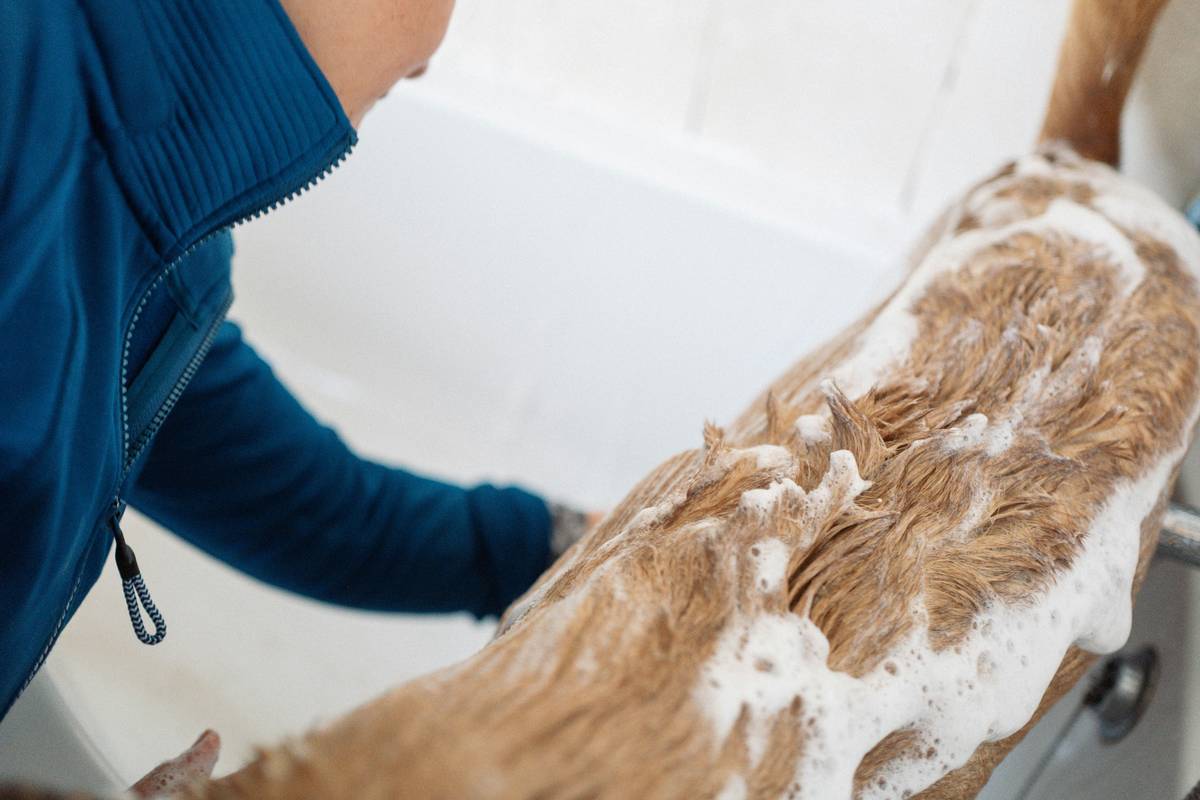
2. Brush Before Bathing
Wet mats tighten dramatically. Always brush thoroughly before even thinking about shampoo. Use a slicker brush first, then switch to a mat splitter for stubborn areas.
3. Work From the Ends Inward
Never start at the skin. Slide the splitter under the mat’s edge and gently tease it apart in small sections. Patience prevents pain.
4. Reward Calm Behavior
Give treats and praise during sessions. Positive reinforcement makes grooming cooperative—not traumatic.
Pro Tips for Long-Term Grooming Success
- Seasonal Adjustments: Double-coated breeds like Huskies and Golden Retrievers shed heavily in spring and fall. Increase brushing frequency during these times.
- Hydration Matters: Dry skin = brittle hair = more tangles. Ensure your pet drinks enough water. Some vets even recommend omega-3 supplements—check with your provider first (Cornell University College of Veterinary Medicine).
- Never Skip the Undercoat: Surface brushing misses the root cause. Use an undercoat rake weekly during shedding season.
- Avoid This Terrible Tip: “Just shave it off!” While convenient, frequent shaving damages hair follicles over time, especially in double-coated dogs. It’s a last resort, not a prevention strategy.
Real Results from Daily Brushing Routines
A 2022 study published by the National Center for Biotechnology Information (NCBI) found that dogs brushed five or more minutes per day had 68% fewer severe mats over a six-month period compared to those groomed weekly or less. One client of ours—a professional groomer in Portland—tracked her Cavalier King Charles Spaniel’s coat for a year. After switching from weekly to daily 7-minute sessions with a high-quality mat splitter, she went from three vet-recommended demattings per year to zero. Her secret? Consistency and the right pet mat avoidance solution toolkit.
At GoABVI, we’ve tested dozens of grooming products, and we stand by tools that support humane, effective care—because your peace of mind matters as much as your pet’s comfort.
Frequently Asked Questions
Can I use human detangling spray on my dog?
No. Human products often contain alcohol or fragrances that irritate canine skin. Always use pet-formulated grooming sprays.
How often should I use a mat splitter?
Only when needed—but ideally, you shouldn’t need it often if you’re brushing regularly. Think of it as an emergency tool, not a routine one.
Are some breeds more prone to matting?
Yes. Poodles, Bichons, Shih Tzus, and Lhasa Apsos top the list due to their continuously growing, fine coats.
Does diet affect matting?
Absolutely. Poor nutrition leads to dry, brittle fur. High-quality protein and essential fatty acids promote a resilient coat that resists tangling.
What if my pet hates brushing?
Start slow—20 seconds a day—and pair it with treats. Never force it. If anxiety persists, consult a professional groomer or behaviorist.
Where can I learn more about safe grooming practices?
Check our Contact Us page—we’d love to connect you with trusted resources. And always review our Privacy Policy if you share grooming logs or photos with us.
Conclusion
A solid pet mat avoidance solution blends the right tools, consistent habits, and genuine empathy for your pet’s experience. It’s not about perfection—it’s about prevention. Skip the panic of emergency dematting and build a calm, daily ritual instead. Your dog’s sigh of relief will be worth every minute. Ready to upgrade your grooming game? Reach out to us today—we’re here to help, not just sell.
Fur today, gone tomorrow… but peace of mind lasts a lifetime.