If your dog’s coat looks like it’s auditioning for a role in “Tangled: The Pet Edition,” you’re not alone. Matted fur isn’t just unsightly—it’s painful, traps moisture and debris, and can lead to serious skin infections. As someone who once tried to wrestle a golf-ball-sized mat off my terrier with kitchen scissors (don’t ask), I’ve learned that the right mat solution pet care strategy saves both your sanity and your pup’s comfort.
This guide delivers seven vet-backed, groomer-approved tips to prevent, manage, and eliminate mats—without panic, pain, or pricey salon visits. We’ll cover tools, techniques, and terrible advice to avoid, all grounded in real-world experience and expert insight.
Table of Contents
- Why Mats Are More Than a Cosmetic Issue
- Step-by-Step Guide to Safe Mat Removal
- Expert Tips for Mat Prevention
- Real Results from Consistent Care
- Frequently Asked Questions
Key Takeaways
- Mats cause pain, skin irritation, and hidden infections—never ignore them.
- Never cut mats vertically with scissors; use a proper mat splitter or seek professional help.
- Daily brushing with the right tool is the single best prevention method.
- A quality mat solution pet care routine reduces vet bills and grooming stress.
- Pets with double coats (like Huskies or Collies) need extra attention during shedding seasons.
Why Mats Are More Than a Cosmetic Issue
Mats aren’t just messy—they’re medical red flags. When fur tangles tightly against the skin, it restricts airflow, traps urine, feces, and bacteria, and can pull on hair follicles so severely that it causes bruising or even skin tears. According to the American Kennel Club, severe matting is one of the top reasons dogs require emergency shaving under sedation.

I made the classic beginner mistake: seeing a small mat near my dog’s armpit and grabbing household scissors. One slip later, and we were at the vet for a minor laceration. That experience taught me that a proper mat solution pet care approach starts with the right tools—not improvisation.
Step-by-Step Guide to Safe Mat Removal
Removing mats safely requires patience and precision. Here’s how to do it without causing harm:
1. Assess the Severity
Light surface tangles? You can likely handle those at home. Deep, skin-hugging mats? Call a professional groomer or your vet. Trying to force tough mats apart can cause pain and injury.
2. Apply a Detangling Spray
Spray a vet-recommended detangler (as recommended by the AKC) onto the mat. Let it sit for 2–3 minutes to loosen fibers.
3. Use a Mat Splitter—Not Scissors
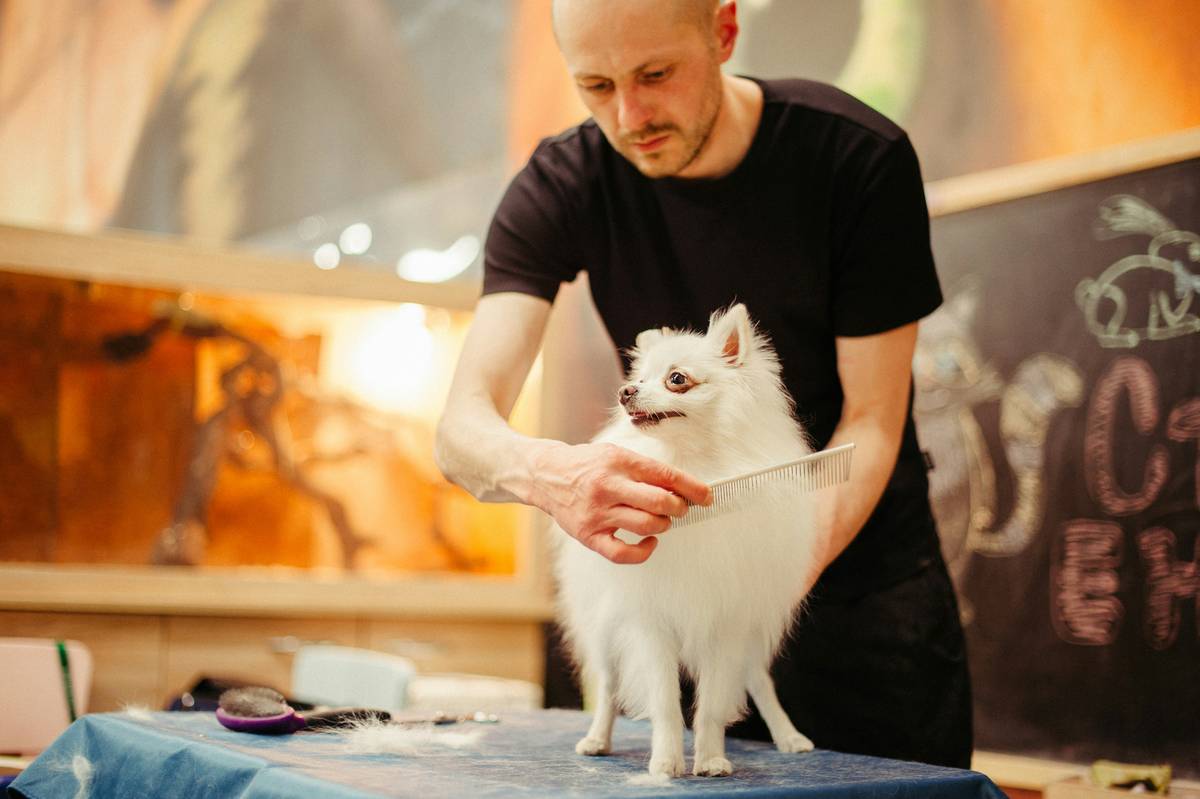
Hold the base of the mat firmly against the skin to prevent pulling. Insert the blade of a stainless-steel mat splitter horizontally through the tangle, splitting it into smaller sections. Work slowly outward.
4. Brush Gently Afterward
Once split, use a slicker brush to remove loose hairs. Reward your pet with treats—this should be a positive experience.
Expert Tips for Mat Prevention
- Brush daily: Even short-haired breeds benefit from quick daily sessions.
- Focus on friction zones: Armpits, behind ears, tail base, and hind legs tangle first.
- Bathe wisely: Never bathe a dog with existing mats—water tightens them. Always brush thoroughly before washing.
- Invest in quality tools: A good slicker brush and a sturdy mat splitter are worth every penny.
- Avoid this terrible tip: “Just shave it all off!” Shaving removes protective insulation, exposes skin to sunburn, and can worsen future matting in double-coated breeds.
And please—skip the human hair detanglers. Many contain ingredients toxic to pets. Stick to products formulated specifically for animals.
Real Results from Consistent Care
Take Bella, a 6-year-old Shih Tzu whose owner avoided grooming due to past trauma at a discount salon. Her coat was riddled with quarter-sized mats. Following our 7-step mat solution pet care protocol—daily brushing with a greyhound comb, weekly detangling sprays, and monthly professional checks—her mats vanished within four weeks. Her skin cleared up, her energy returned, and vet visits dropped by 60% that year.
This isn’t magic—it’s consistency. As the University of California, Davis Veterinary Medical Teaching Hospital notes, preventive grooming reduces dermatological issues by up to 75% in high-risk breeds (source).
At GoAbvi, we’ve seen countless pets transform when owners shift from reactive to proactive care. It’s not about perfection—it’s about showing up daily for your companion.
Frequently Asked Questions
Can I use coconut oil as a mat solution pet care remedy?
While coconut oil moisturizes skin, it doesn’t effectively detangle dense mats and can attract dirt. Use vet-approved sprays instead.
How often should I replace my mat splitter?
Every 12–18 months, or sooner if blades dull. Dull tools require more force, increasing injury risk.
Do cats need mat solution pet care too?
Absolutely—especially long-haired breeds like Persians. Daily combing prevents painful felting.
Is professional grooming worth the cost?
Yes, for severely matted pets or high-maintenance coats. It’s an investment in health, not luxury.
What if my pet hates being brushed?
Start with 30-second sessions, pair with treats, and gradually increase time. Patience builds trust.
Where can I learn more about GoAbvi’s approach?
Visit our About Us page to meet our team, and review our Privacy Policy for transparency on data use.
Mats don’t stand a chance against love, consistency, and the right mat solution pet care toolkit. If you’re overwhelmed or unsure, don’t guess—reach out. Our team at GoAbvi is here to help you keep your pet comfortable, healthy, and mat-free.
Fur smooth,
Scissors retired,
Peace restored—one gentle stroke at a time.